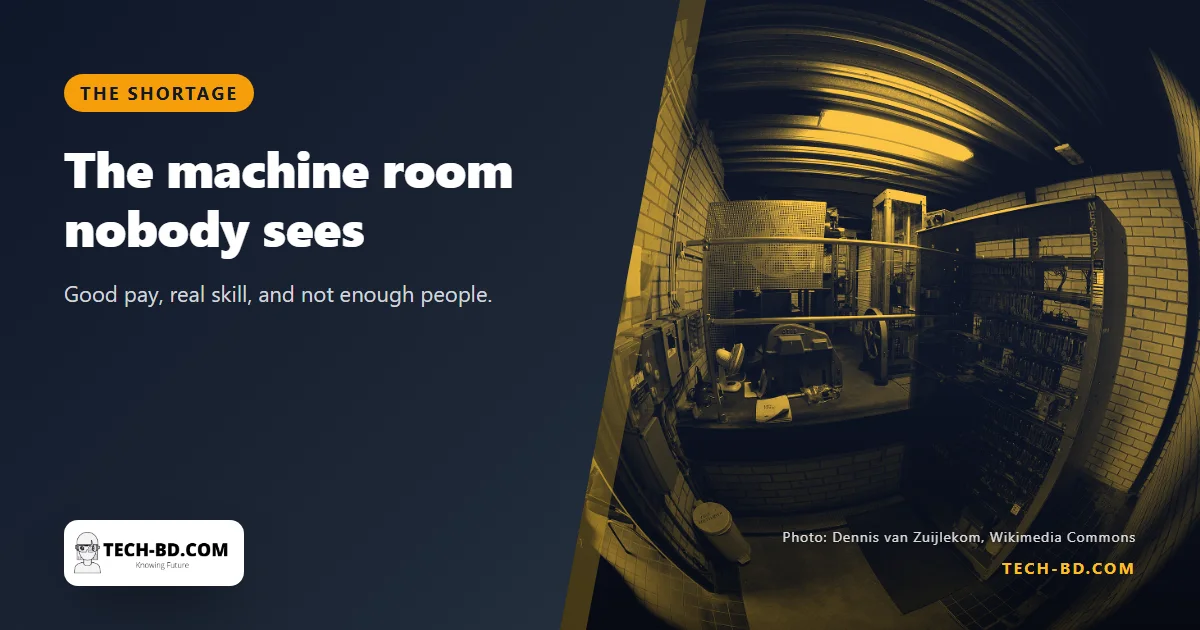
When a lift stops working in Chicago, a frazzled building manager might get a visit from Jim Lembesis. He has repaired and upgraded lifts for more than 47 years, and he understands why the people waiting are so anxious.
"They wait and they wait," says Lembesis, a field technician for Parkway Elevators. "There's a lot of frustration. Sometimes it's a repeat issue. It's a never-ending cycle, you know what I mean?"
The shortage is real and getting worse
The shortage of lift and escalator mechanics in the United States — also a problem in many other countries — has deepened over time. "It's been like night and day compared to when I started," Lembesis says.
The consequences are not abstract. Everyone needs a lift occasionally; some people depend on one, including elderly residents of high-rise buildings and wheelchair users. Storm-damaged lifts in Hawaiian apartment blocks this year left some residents trapped in their homes for weeks, with a lack of mechanics and trouble sourcing parts blamed for the delays.
The pay is not the problem
The average salary for a lift mechanic in the US is $110,000 — about £83,000. People in the industry still say it is hard to attract new workers.
There are dangers. You can fall from a height or be electrocuted. Lembesis was once hit on the head with an umbrella by an elderly woman he had just rescued from a stuck lift.
But he describes a job with a great deal to learn and real camaraderie between mechanics, who share knowledge freely. One recruiter says these technicians amaze people with their ability to fix things — they are like "wizards", the overall-clad shamans who get modern life running again.
What actually breaks
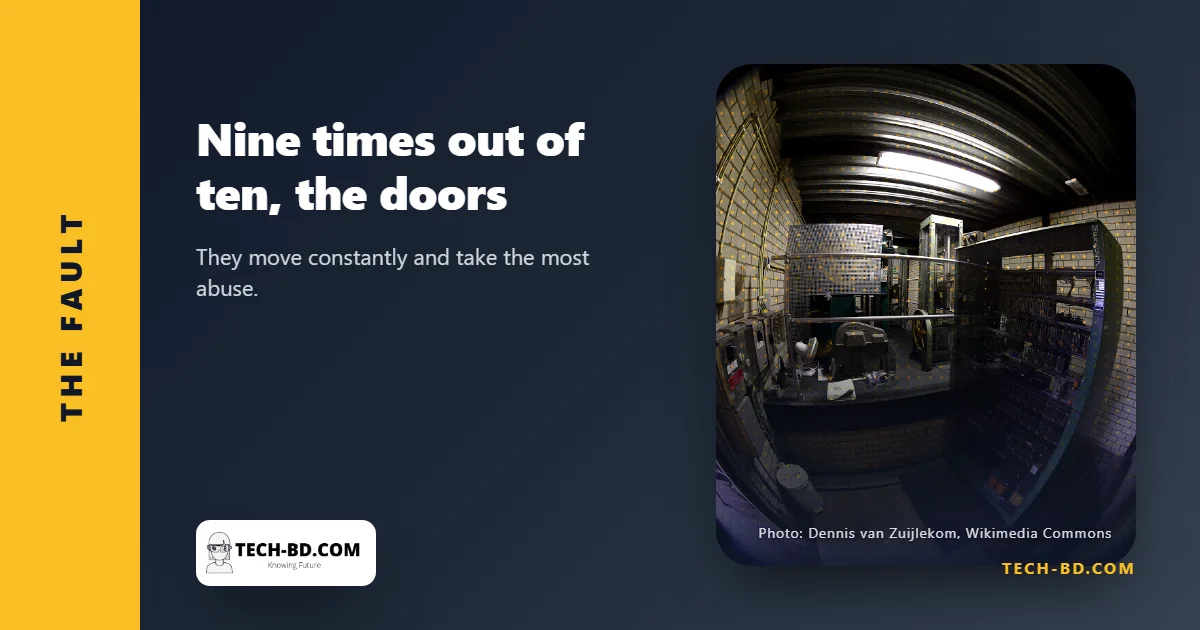
Nine times out of ten, it is the doors. They move back and forth constantly, and they take the most abuse. "People hit them with carts, and dirt and debris [falls into them]," Lembesis says.
Why this is a technology story
It is tempting to file this under labour rather than technology, and that would miss the point. A lift is an embedded system with a safety case, and the newer ones are more software than mechanism — which makes the diagnostic skill harder to acquire, not easier.
It also sits oddly against this week's other news. One story says AI will absorb the slow, repetitive work that builds expertise. This one says the trades where that work cannot be absorbed are paying six figures and still short-handed. Both are describing the same shift from different ends: the value is draining out of jobs that happen on a screen and pooling in the ones that require somebody to physically be there at two in the morning.
For a country building upwards as fast as Bangladesh is, the second half of that sentence is the useful one. Every new tower is a maintenance obligation for thirty years, and the people who can meet it are not produced by the same system that produces the buildings.