A behind-the-scenes cyber-security operation has secured tens of thousands of fridges and freezers at major UK supermarkets, warehouses, restaurants, petrol stations and stadiums, the BBC has learned.
We reported on 4 November that the wave of attacks on European supermarket refrigeration had reached the UK food supply chain, with one meat supplier finding a cold unit driven up to 100C. What was not known then is that a second operation was already under way — and was being deliberately kept quiet.
What the UK thought, and what was actually true
It was thought Britain had largely escaped the hacks because its refrigeration industry relies on different devices. That turned out to be wrong.
In late October, security researchers discovered a major flaw in the most popular refrigeration controllers used in the UK, made by the British firm Resource Data Management (RDM). An expert at Omega Solutions examined them after the European attacks.
The NCSC, the Department for Environment, Food & Rural Affairs and the Food Standards Agency then ran a campaign to plug the holes, holding industry conference calls and tasking teams to contact firms at risk.
How they actually fixed it
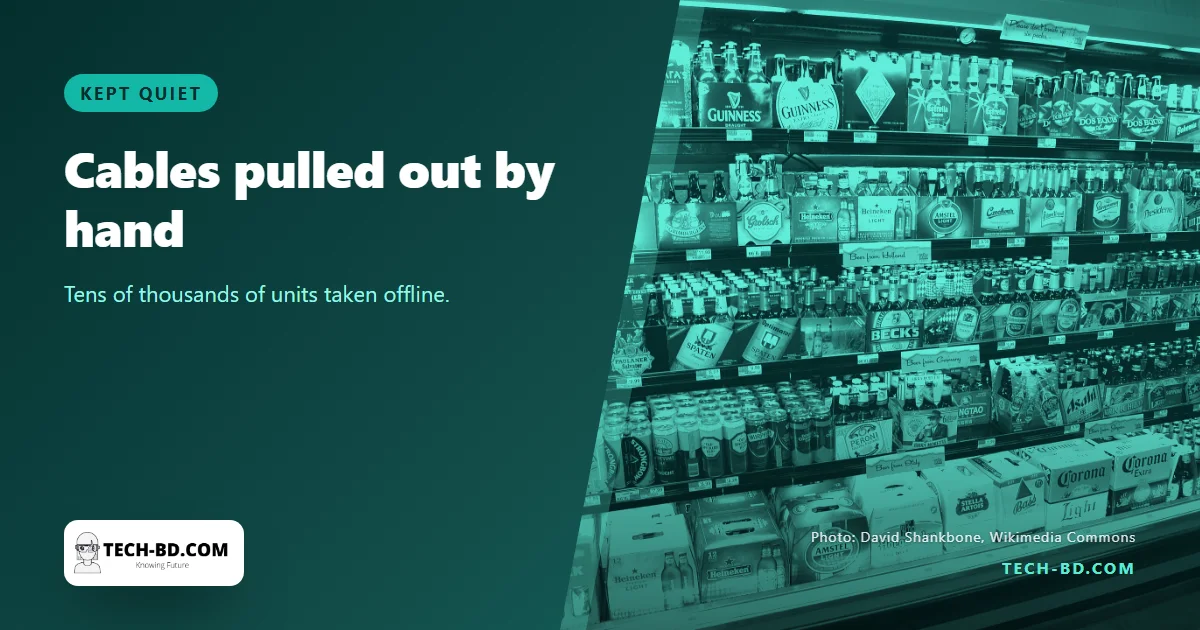
Thousands of devices controlling tens of thousands of refrigeration units were taken off the open internet — remotely where possible and, in some cases, physically, with staff ordered to remove network cables and monitor temperatures by hand.
Most major supermarkets had to divert IT teams. A worker at one large chain said they took hundreds of devices offline every day for a week.
"It did feel like a race against time as we were expecting another wave of these fridge hacks to come," the worker said, asking not to be named.
"Our warehouses have millions of pounds worth of food that could have been spoiled if any hackers found out about this method of attack."
Why it was kept secret
Ken Munro of Pen Test Partners gave the clearest explanation, and it is the heart of the story.
"These popular controllers had a similar weak password problem to the Danfoss and other controllers that were attacked so successfully in previous hacks, so we had to get the message out as soon as possible and keep it secret," he said.
"There is so much extra attention on these ubiquitous bits of kit now that it was likely a matter of days until criminals or nation state hackers figured it out."
That is the trade-off in public-interest security work: warn the people who must act, without handing the method to everyone else.
The year in refrigeration attacks
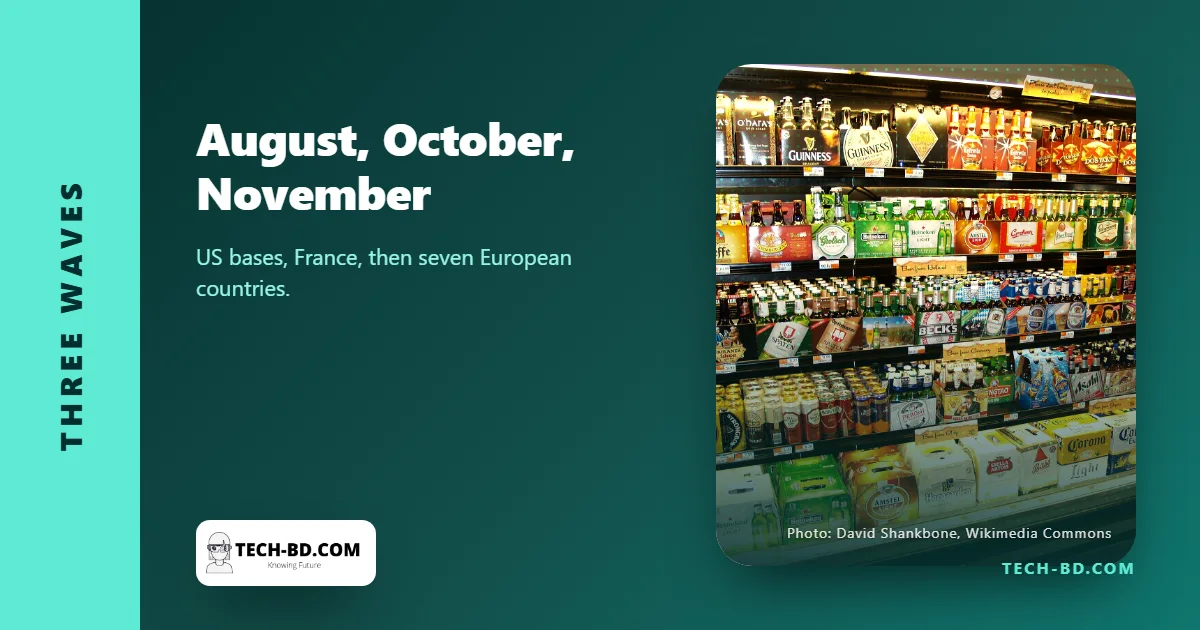
There have been three waves so far this year. In August, fridges at a small number of US military bases were affected. On 11 and 12 October, hundreds of supermarkets and food processing sites in France were hit when Danfoss temperature control systems were targeted. On 1 and 2 November, dozens of supermarkets across seven European countries were hit, with Belgium and Luxembourg worst affected; a small number of blood bank sites in France were also caught.
France has blamed Iran for one of the waves, a claim Tehran denies.
The manufacturer disagrees
RDM disputes how critical the vulnerabilities were, though it has been praised for a professional response.
The company says the comparison with the units attacked in mainland Europe is unfair, because hacking its fridges would have required physically obtaining a piece of hardware. The ethical hackers counter that this was achievable, as the hardware can be bought cheaply on sites like eBay.
"This was a vulnerability identified in a test environment," said RDM chief executive Ged Evans, adding the test "went beyond" what such exercises usually involve as it "included dismantling our hardware".
"In any event we have acted at pace to address this issue and have already deployed first patch releases," he said. RDM confirmed there was no sign of malicious activity on its controllers.