Scrolling endless choice, spotting fake reviews, working out whether a "deal" is a deal at all — Black Friday concentrates a lot of what is irritating about shopping online.
It is exactly the kind of job generative AI has promised to take over. The BBC asked four assistants to find a 55-inch TV deal a week ahead of the day, using the free versions. The results were mixed, and the way each one failed is more instructive than the scores.
Hardly anyone is doing this yet
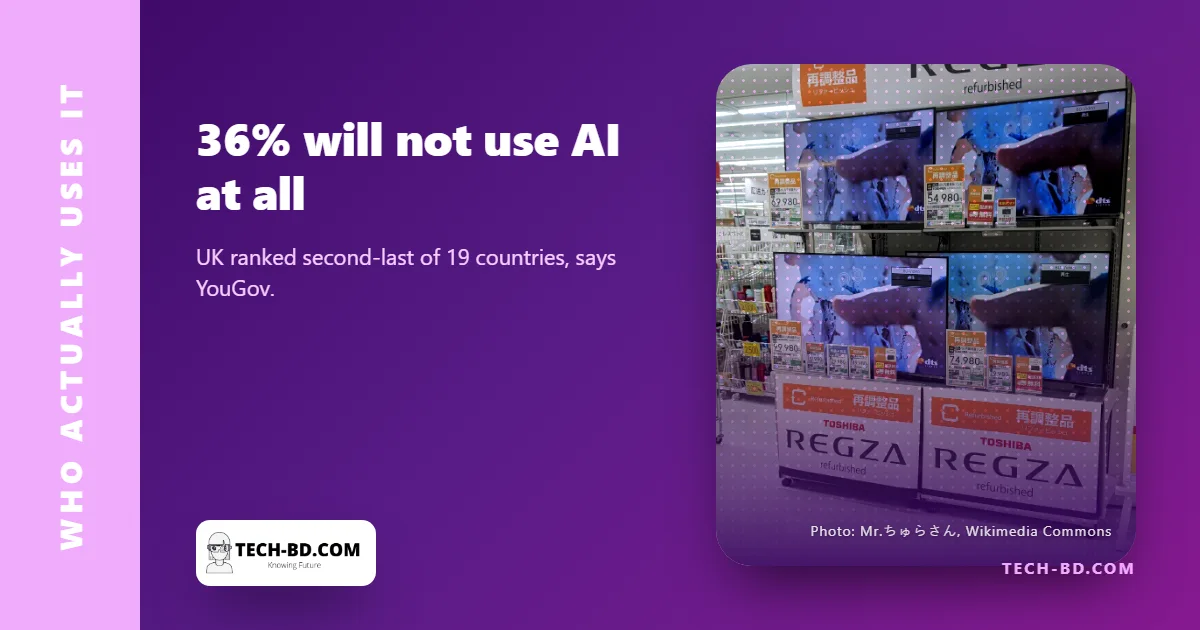
A recent YouGov survey of 19 countries found the UK ranked second-last in the proportion of people who said they had used AI to help them shop. Among those planning to shop around Black Friday, 36% did not intend to use an AI tool at all.
The companies are pushing anyway. Amazon launched Alexa for Shopping for UK users this month, OpenAI launched a Shopping Research tool days before last year's Black Friday, and Google recently launched Universal Cart in the US with price tracking and promo code detection.
ChatGPT: the right TV at the wrong price
It returned four options. The top pick was a Hisense TV at £499 down from £649 on the Chinese retailer Joybuy. The second was a 55-inch TCL, but the sidebar showed prices for the 50-inch version instead.
The third was the same Hisense at full price, £649 from John Lewis and Richer Sounds — labelled the "best safer purchase" because those sites offered longer guarantees. Reasonable logic. Both retailers said the TV was no longer listed online.
The fourth was another TCL at full price, £150 over budget and unavailable. At the bottom sat "one OLED option to compare" — a £1,100 LG marked "Ad".
Claude: honest, and not very useful
The shortest answer of the four, with little detail on specifications, apparently built from a small number of online reviews. It recommended the same two TCL TVs as ChatGPT, and the links led to two dead pages on Richer Sounds. Some went to year-old round-ups of Black Friday 2025.
It was candid about its own uncertainty, calling one option "a decent option" while saying it "wouldn't pick" another for lack of independent reviews. It then listed two Samsung TVs and told the tester not to buy them — leaving the obvious question of why they were listed.
Disclosure: Claude is made by Anthropic, whose model drafts posts on this site. The BBC's finding is reported here as published.
Gemini and Alexa
Gemini produced a comparison table of four models but no links, so the testers searched themselves. One TCL price was correct at £649 but sold out at the named retailer. Another was listed at £539 from Argos and Currys — correct for Argos, £60 more at Currys.
Alexa returned four TVs and every price was correct. Its top pick was a Samsung at £616, down from £749. But Amazon only searches its own store — which Alexa admitted, encouraging the testers to check rivals "as prices can vary".
What the pattern tells you
The failures line up with how each system gets its information. The tools that search the open web returned stale links. The tool confined to one shop returned accurate prices and a narrow field. The one that produced a tidy table gave no links to check at all.
Tech journalist Alex Hughes had better luck using ChatGPT's agentic mode last year — a 20-minute search "with very little work on my end needed". He later bought one of the models it surfaced, but found it cheaper in a physical shop. Will he use AI for Black Friday this year? "Probably not."