Police in Aberdeen are trialling AI-assisted CCTV to help find suspects and missing people, using a network of 100 cameras already installed in the city.
The software is called BriefCam. It lets an operator search recorded footage using key words and descriptions — the colour of a jacket, the type of vehicle — instead of watching the recording through. It can also show the direction something was travelling in, and how fast a car was going.
What it did in one case
Police Scotland gave a single worked example, and it is the clearest argument for the technology.
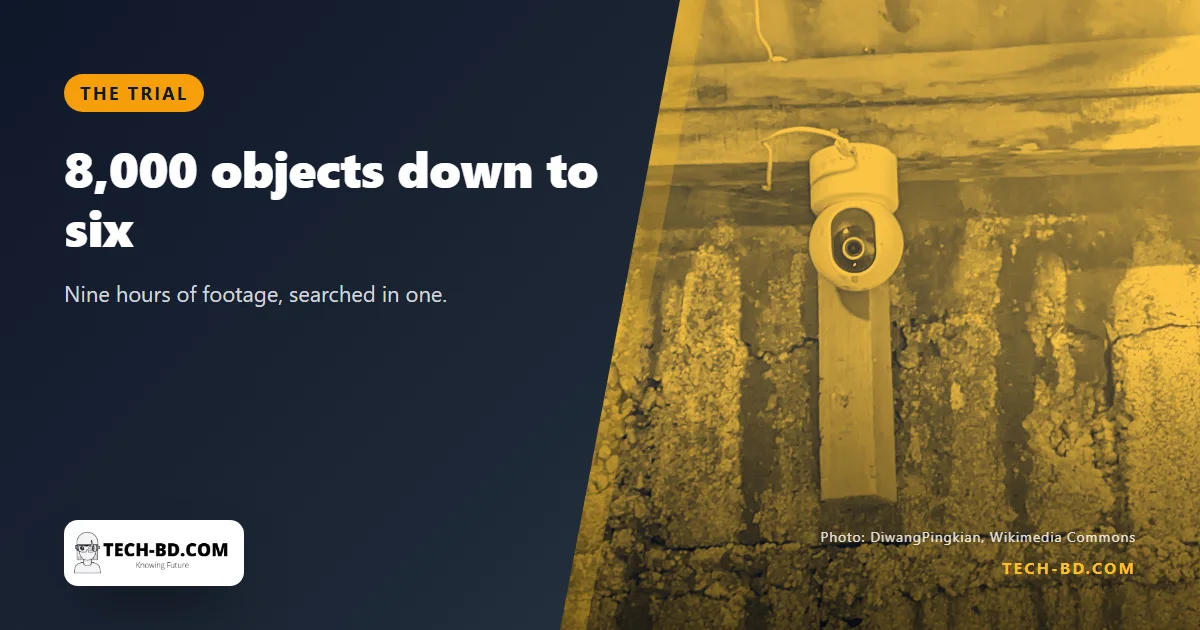
In a recent case the system helped trace an elderly woman by analysing nine hours of footage in an hour. It reduced 8,000 objects down to six possible options for an officer to look at.
Assistant Chief Constable Tim Mairs said the tool could generally cut tens of thousands of images down to fifteen or sixteen worth examining.
The capability they say they are not using
This is the part that matters most, and the force addressed it directly.
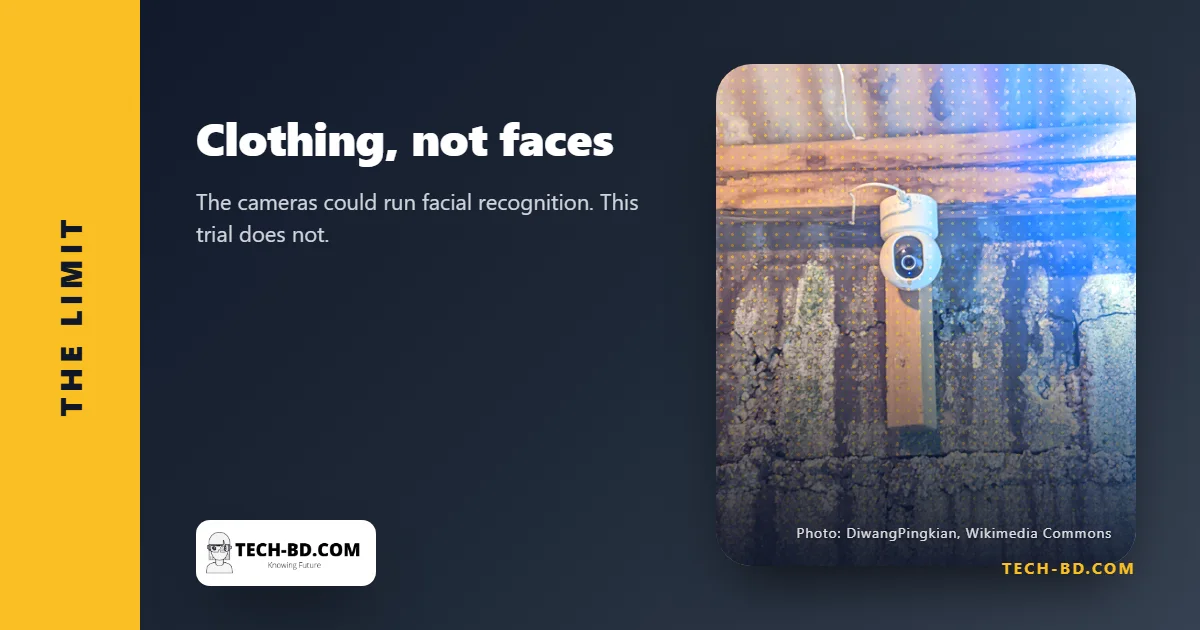
The cameras can run facial recognition. This trial does not. Any future use of that capability would have to go through a separate trial process of its own, and Mairs said Police Scotland has "no intention" of switching it on at this stage.
"It does not look at facial images or biometrics or skin colour," he said, "but what it can do is look at clothing and it can look at sort of body shapes and rucksacks and things like that."
He was also clear about who is in charge of the result: "What is really key about this is it is a tool that is used by very experienced and qualified CCTV operators. It is a really good tool to support our staff, but it does not replace the staff."
Where and for how long
The trial began in September and runs until the middle of December. It covers the city centre along with the Torry, Mastrick and Rosemount areas. A public consultation held earlier in the year received what the force described as "mixed reviews".
If the evaluation goes well, the system could be rolled out nationally.
On the privacy objection
Mairs acknowledged that some members of the public will have concerns, but argued that a "modern police force" should be using AI. "We also want to ensure that we maintain and uphold the human rights of the people that we serve, not undermine them."
The data from the evaluation goes to the Scottish Police Authority, which holds the force to account in public. "We are not seeing anything that would massively concern us or even slightly concern us about impact on human rights," he said.
What this means here
Two details in this story are worth separating, because they tend to get merged.
The first is that searching footage by clothing and body shape is not facial recognition, and the distinction is real: nothing is matched against a database of named people. The second is that the same cameras could do the other thing tomorrow. A trial that establishes the cameras, the control room and the operator training also establishes most of what facial recognition would need. The safeguard is procedural — a separate trial, a separate authorisation — not technical.
That is the question to ask whenever this arrives anywhere, including here. Not only "what is the system doing today", but "what would have to change for it to do more, and who has to agree to it". In Aberdeen the answer is written down and the oversight body meets in public. That is the part worth copying.
Bangladesh already runs city CCTV at scale, and face matching has been in the news here this month in a quite different context — the face-liveness checks being built into SIM registration. The technologies are cousins. The accountability arrangements around them are not the same thing at all, and they are the part that has to be argued for separately.